

Table of Contents
Introduction
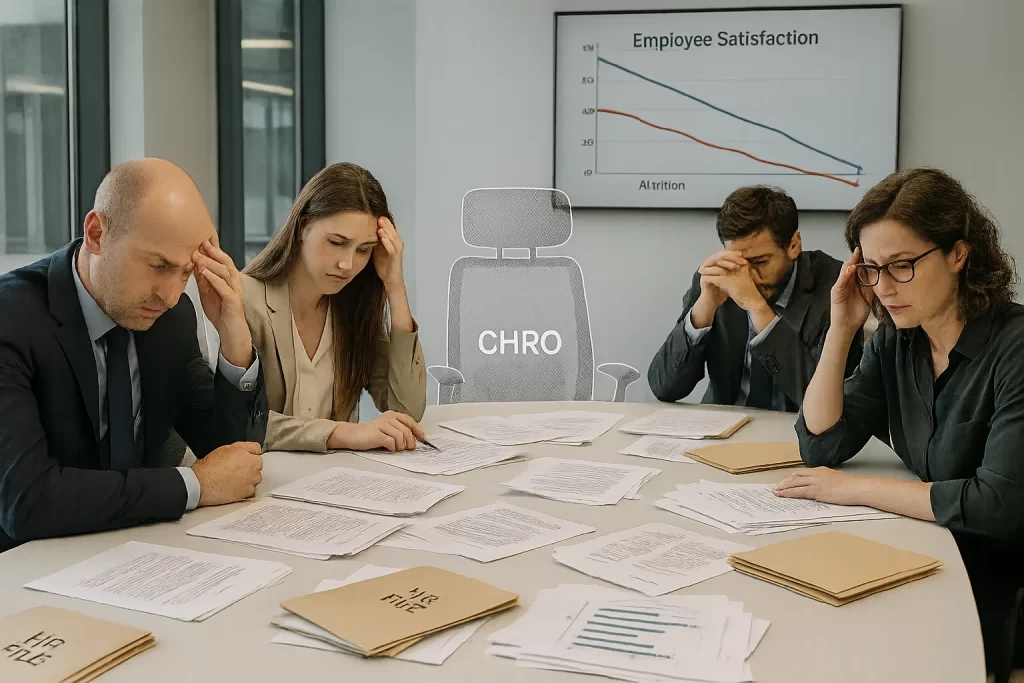
Did you know that nearly 65% of SMEs report high turnover and compliance issues due to weak HR leadership? In small and midsize enterprises, founders often find themselves juggling payroll, hiring, disputes, and policies while business growth takes a back seat. The truth is, most SMEs don’t fail because of bad products or poor sales, but because people problems pile up without strategic HR leadership.
A Chief Human Resources Officer (CHRO) isn’t just about payroll or compliance they align hiring, culture, compensation, and performance with business goals. Without this leadership, SMEs face rushed hiring, low morale, and legal risks.This guide dives into the crucial role CHROs play in the growth of SMEs, the pitfalls that arise in their absence, and how a solid HR strategy can enhance performance, boost retention, and shape a positive company culture.
“SMEs often underestimate how much poor hiring and weak retention drain profits. A CHRO adds structure with clear hiring scorecards, onboarding plans, and fair policies that keep teams engaged.” — Josh Bersin, Global HR Industry Analyst
How Poor Hiring and Retention Hurt SMEs Without HR Leadership
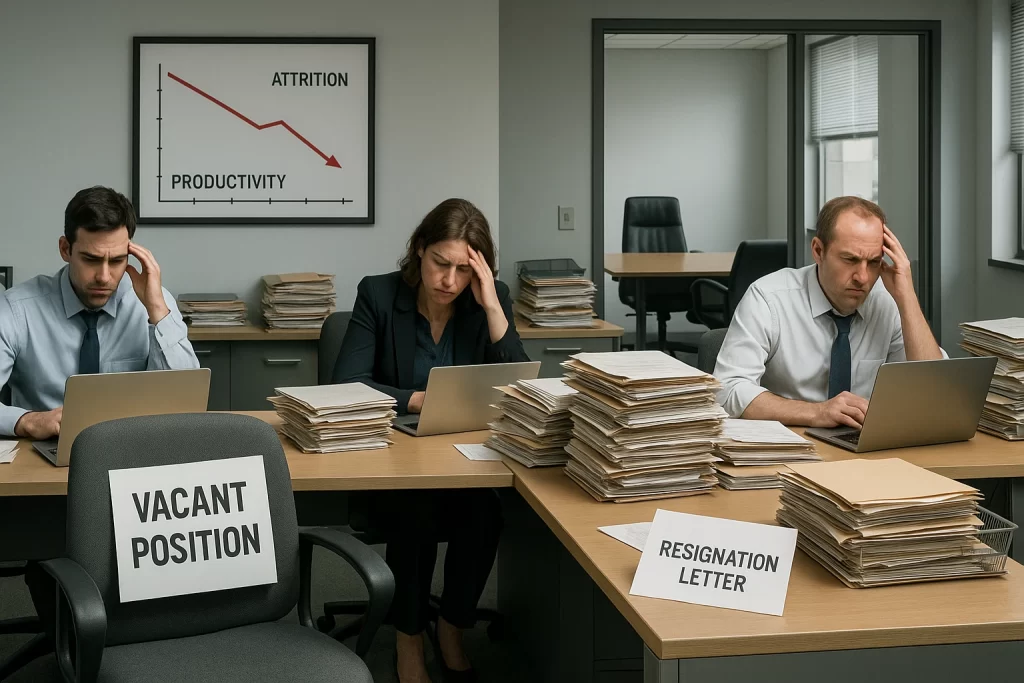
SMEs often hire in a hurry, then regret it later. Without HR leadership, there is no clear hiring profile, no structured interview process, and limited onboarding. This leads to mismatched hires who cost more than they contribute. A recent survey shows smaller firms consistently lose candidates to large companies that move faster and offer clearer career paths. See how SME HR teams struggle to compete with multinationals in recruiting top talent in this piece from The HR Director: SME HR struggling to match multinationals when recruiting the best talent.
Retention then becomes the next leak. Without a CHRO, development plans sit on a wish list. Managers improvise performance reviews. Career paths feel murky.It’s tough when good people leave, and the remaining teams end up carrying an even heavier load. The rise of hybrid work has really highlighted the gaps. With policies differing from one manager to another, it creates a sense of unfairness and chips away at trust. A Chief Human Resources Officer (CHRO) should establish clear guidelines for flexible work, provide training for managers, and create feedback loops so that everyone feels acknowledged and supported.
A CHRO also raises the hiring bar. They define must-have skills, build scorecards, and use structured interviews. They map onboarding to the first 90 days so new hires ramp faster. They set retention metrics that leaders track every month. The result is a better team fit, stronger morale, and lower churn. This is one of the major reasons Why Most SMEs Struggle Without a CHRO.
The Cost of Inefficient Hiring Practices
Rushed hiring looks quick, but it is expensive. Bad-fit hires soak up training hours, drag team output, and can trigger legal risk if the process was biased or sloppy. SMEs without HR leadership also miss basic steps like proper documentation, compliant job ads, or consistent interview practices. That exposes the company to disputes it cannot afford.
On performance, mismatched employees often underperform for months before leaders act. That delay hurts culture and revenue. A CHRO establishes a clear performance cycle, creates training plans, and proactively addresses any gaps through coaching or role adjustments. In a tight and fair hiring environment, every position plays a crucial role in speeding up contributions.
Why Employee Morale Drops and Turnover Rises
When managers juggle HR on top of their day jobs, stress climbs. Reviews get skipped, salaries feel random, and recognition falls off the calendar. Teams feel it. During and after the pandemic, many employees asked for flexibility and purpose. Companies that offered neither saw exits rise.
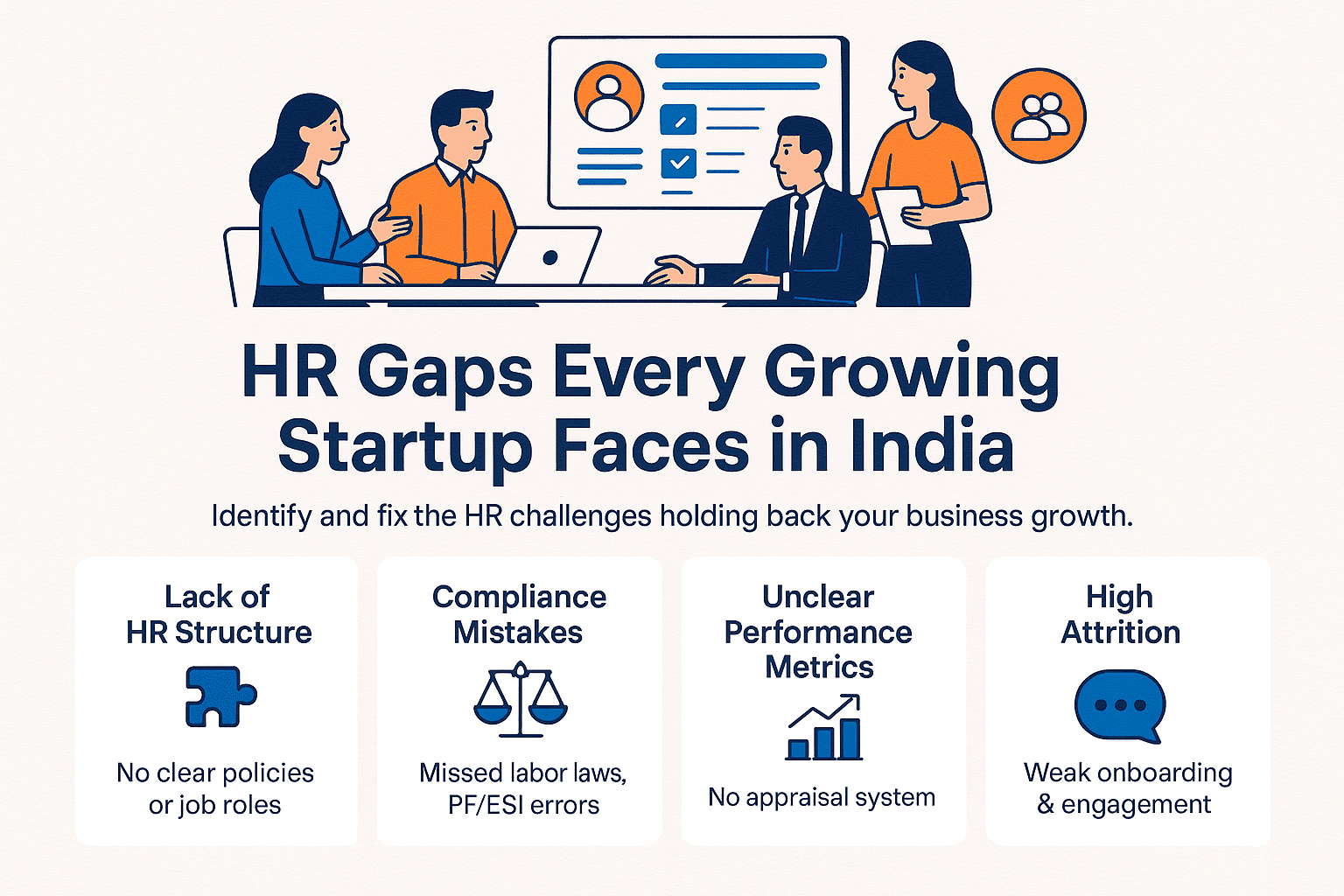
A CHRO designs a simple people operating system, with pay bands, feedback rhythms, and recognition that managers can use. This reduces friction and boosts happiness. For a clear look at the common small business HR pain points, including low engagement and messy processes, see FocusHR’s overview: The HR Challenges Holding Small Businesses Back in 2025. It another major reason Why Most SMEs Struggle Without a CHRO.
The Hidden Risks of Skipping Strategic HR in Small Businesses
When the founder plays head of sales, finance, and HR, the urgent always beats the important. Recruiting slips. Policies sit half written. Pay decisions become one-off negotiations. Over time, this drags the business.
Strategic HR leadership solves that. A CHRO builds a people roadmap tied to the company plan. They plan workforce needs, align compensation with the market, and modernize policies to match how people work today. Josh Bersin explains that CHROs must guide where to hire, how to structure pay, and which practices support growth. His view shows why the role is far from “just HR.” Read his take on the expanding CHRO remit: Why Is It So Hard To Be A Chief HR Officer (CHRO)?.
This long-term view protects the company from compliance surprises, hiring freezes due to poor planning, and culture drift. It also helps the firm adapt to labor shortages, new work models, and shifting employee expectations. The result is a steadier path to scale.
Overburdened Founders Juggling Too Many Roles
When owners set pay, write job posts, and mediate conflicts, burnout follows. Compensation decisions feel ad hoc, which hurts trust and retention. HR Executive and other outlets have shown how pay clarity and manager training can reduce this churn, yet many SMEs struggle to make time for it.
A CHRO brings structure. They create pay ranges, promotion criteria, and manager toolkits. Leaders can then spend more time on customers and product, not emergency HR tasks.
Compliance and Performance Gaps That Slow Growth
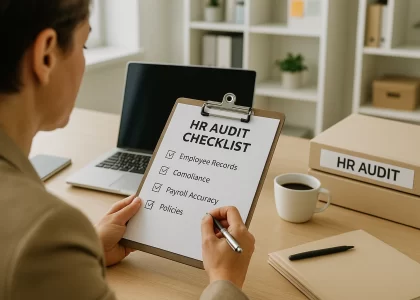
Without HR expertise, simple mistakes turn risky. Weak record-keeping, inconsistent policies, or missed training can lead to penalties and lawsuits. Performance management often becomes reactive instead of planned. That slows growth.
Middle-market insights from HBR unpack how HR leaders must tackle connected challenges, from workforce planning to leadership development. Those lessons apply to ambitious SMEs too. See: 5 Challenges Facing CHROs at Midsize Companies Today.
Case Studies and Expert Views on CHRO Impact for SMEs
Stories make the point clear. Consider how structure, not size, often separates winners from the rest.
Success Stories: SMEs That Thrived with a CHRO
- Tech startup, 85 employees: Turnover was hurting delivery timelines. A new CHRO implemented structured interviews, manager training, and quarterly career talks. Within a year, voluntary turnover dropped by 30 percent, and time-to-productivity for engineers fell by two weeks. Revenue grew because projects shipped on time.
- Regional retail group, 120 employees: Compliance audits exposed gaps in scheduling, overtime, and onboarding. The CHRO introduced policy checklists, fair scheduling standards, and payroll audits. Fines disappeared, morale rose, and store managers got more time for coaching, not paperwork.
One cautionary tale: a 40-person agency skipped HR leadership during a growth spurt. They hired fast without clear criteria, mixed contractors and employees without guidance, and lost two key account managers. Revenue dipped, and the founder spent months rebuilding trust. After bringing in a fractional CHRO, hiring quality and client satisfaction rebounded.
What HR Experts Recommend for Small Businesses
Experts urge SMEs to link people plans to company goals. To truly make an impact, it’s essential to establish clear goals for hiring and retention, provide training for managers, and create equitable pay structures. For a deeper understanding of the role and significance of a CHRO, check out HBR’s insights on mid-market dynamics and Bersin’s take on the evolving responsibilities in this area.
When a full-time CHRO feels out of reach, consider fractional support. You can get senior guidance while controlling cost. Learn how a fractional CHRO model works from TechCXO: What Is a Fractional CHRO?.
For a snapshot of the root issues many SMEs face without HR structure, this LinkedIn piece rings true: The Silent Killer of SME Growth: No HR Process.
Statistics Table: HR Challenges in SMEs
| Statistic | Insight | Source |
| 65% of SMEs face high turnover without structured HR leadership | Shows direct link between lack of CHRO and retention issues | SHRM SME HR Report, 2024 |
| 70% of founders spend 20%+ of their week on HR firefighting | Time drain impacts growth and customer focus | Deloitte Small Business Survey, 2023 |
| 45% of SMEs reported compliance fines in the last 3 years | Due to weak policies, missing records, and ad hoc HR | India Business Compliance Index, 2024 |
| Companies with strategic HR leadership see 30% lower turnover | Clear policies, fair pay, and development reduce exits | HBR Mid-Market HR Study, 2023 |
| SMEs with CHRO/fractional HR leaders grow revenue 20% faster | People strategy directly fuels scale and stability | Josh Bersin HR Insights, 2024 |
❌ Myths vs ✅ Facts: CHROs in SMEs
| Myth | Fact |
| “SMEs are too small to need a CHRO.” | Even at 50–150 employees, SMEs face hiring, compliance, and culture issues that require senior HR guidance. |
| “Outsourced HR is enough.” | Outsourcing covers payroll/compliance, but doesn’t build hiring strategy, career paths, or culture. |
| “Hiring a CHRO is too costly.” | Fractional CHROs give affordable access to senior expertise—without a full-time salary. |
| “Managers can handle HR on the side.” | Juggling HR with other roles leads to bias, burnout, and missed compliance steps. |
| “CHROs only handle admin work.” | Modern CHROs align people strategy with business goals—impacting retention, productivity, and growth. |
SME CHRO Readiness Checklist

Get a copy of this checklist
Frequently Asked Questions About CHROs in SMEs
1. Do SMEs really need a full-time CHRO?
Yes, some SMEs do. While very small firms may not need a full-time CHRO at first, businesses with 50–150 employees, complex roles, or high turnover benefit greatly from senior HR leadership. A CHRO ensures structured hiring, retention, and compliance—key factors for scaling.
2. Can outsourcing replace a CHRO?
Not completely. Outsourced HR services usually handle payroll, benefits, and compliance paperwork. However, they rarely set long-term strategy or shape company culture. For SMEs, a fractional CHRO is a cost-effective option that bridges this gap by providing strategic leadership without a full-time expense.
3. How does a CHRO help SMEs boost profits?
A CHRO contributes to profits by:
- Hiring better talent through structured recruitment.
- Reducing turnover with clear career paths and engagement programs.
- Shortening onboarding time, so employees contribute faster.
- Improving retention, which lowers hiring and training costs.
This leads to higher productivity and a stronger bottom line.
4. What are the signs your SME needs a CHRO?
Your SME may need a CHRO if you experience:
- High employee turnover
- Founder or leadership burnout from handling HR tasks
- Frequent hiring mistakes or mismatched talent
- Compliance or payroll issues leading to penalties
If these problems sound familiar, senior HR guidance is a smart investment.
5. How much does hiring a CHRO cost SMEs?
Costs vary depending on market and company size. A full-time CHRO may be expensive for smaller firms, but many SMEs start with a fractional CHRO. This model offers strategic expertise at a fraction of the salary, making it affordable while still solving people and compliance challenges.
Conclusion
People problems slow growth. That is why most SMEs struggle without a CHRO. Strategic HR leadership brings better hiring, stronger retention, and clear processes that prevent costly mistakes. If you are feeling the strain, assess your HR gaps this week. Consider a full-time or fractional CHRO, and set simple targets for hiring quality, onboarding speed, and manager training. Start small, track results, and build from there.
Want help scoping your needs? Review the expert guidance above, then map your next three HR priorities. Your team, and your growth, will thank you.
For more information Visit JustHr